Inkodye Printing

I recently read an article in the Mollie Makes magazine about a really unique printing ink called Inkodye and I instantly wanted to have a go.  Unfortunately there is currently only one company in this country that stocks it www.firstcall-photographic.co.uk and the postage is quite high but I felt really impatient to try it out!

Inkodye comes out of the bottle colourless, you then apply it with a brush and then leave it to the sun to develop, almost like a fabric photograph. In theory it allows you to create beautiful prints using anything that casts a shadow. Of course I bought it in the winter when sunlight is sparse but I have still managed a few goes with it. At present it only comes in three colours: red, orange and blue, but you can mix them so it’s not too restrictive.

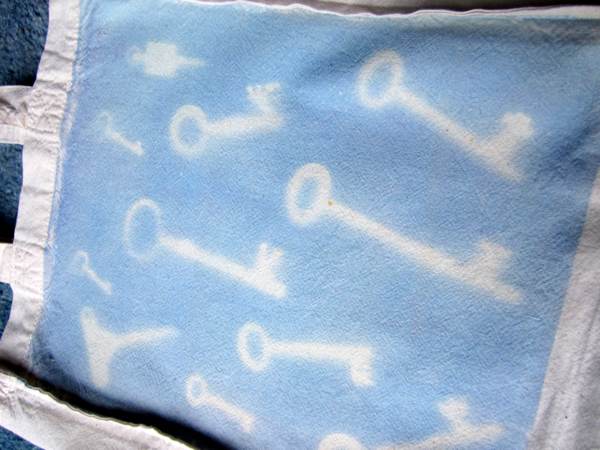
My first attempt was using the red, I placed some old keys onto a small bag which I put outside for about 45 minutes. There wasn’t really enough light so it turned out pink and I don’t think I painted enough dye onto the fabric either.

My next attempt was using the blue and the same old keys. This seemed to go a dark colour very quickly, so I panicked and washed the ink out too early and again it was rather pale.

Once your piece has developed the depth of colour you desire you have to wash it really well otherwise it continues to develop! I washed the blue bag by hand (really scrubbing it) and then put it through a machine wash. Despite this after leaving it on my table folded in half for a few days I noticed that it had still continued to develop and one half was darker and some of the keys had started to turn blue :(

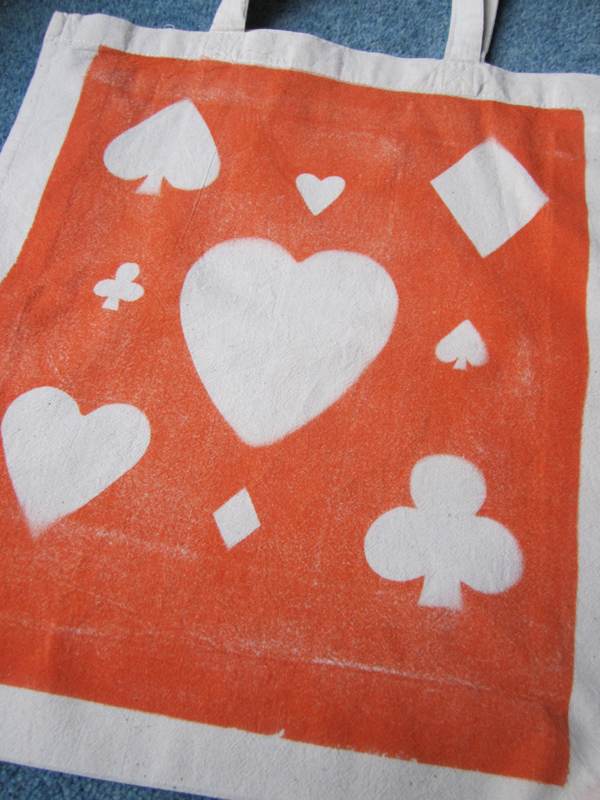
My third attempt was more successful. I cut some shapes out of cereal box and put a sheet of glass over the top to weight it down. I left it outside for one and a half hours but again there was not much light. The mistake I made with this one was washing my brush in my white kitchen sink and finding later in the day that I now have an orange and white sink!!!

Dyed sink aside I’m very pleased with the third piece and how it turned out. I think Inkodye is going to take me a little while to completely perfect but it’s definitely worth a try if you’re interested in trying out a new form of printing. Just remember my top tip…. wash that ink out until you can wash no more! Otherwise be prepared to see further colour development :)

Advent Calendar Sewing Tutorial

With the festive season fast approaching I decided to share my tutorial to sew your very own advent calendar! I originally wrote this for the Boden Community which has now become the Boden Blog. You might just be able to find it if you scour through the archives, but it seemed far simpler to share it direct with my readers over here.

You Will Need

A hanger (I chose a lovely old wooden one)
2 pieces of fabric to make the background (mine measured 34cm X 48cm but this may vary depending on the size of your hanger)
1 piece of fleece fabric 34cm X 48cm
4 pieces of ribbon approximately 28cm in length
35cm piece of ric rac or ribbon
5 pieces of fabric measuring 12cm X 36cm each
24 mini luggage labels
24 mini gold safety pins
24 Sweets of your choosing.

Step 1

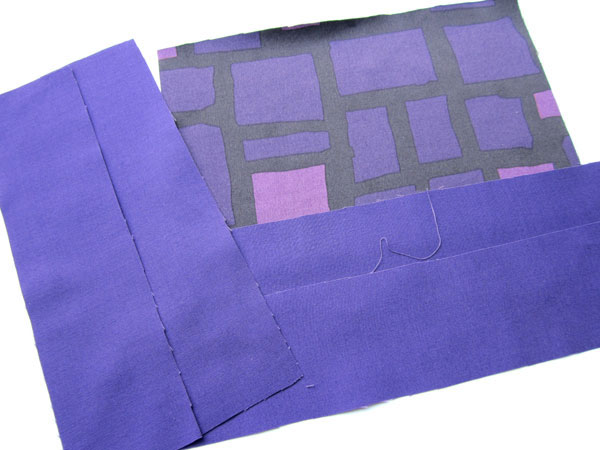
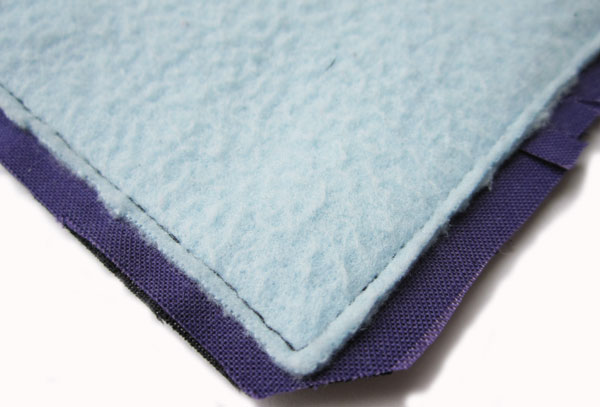
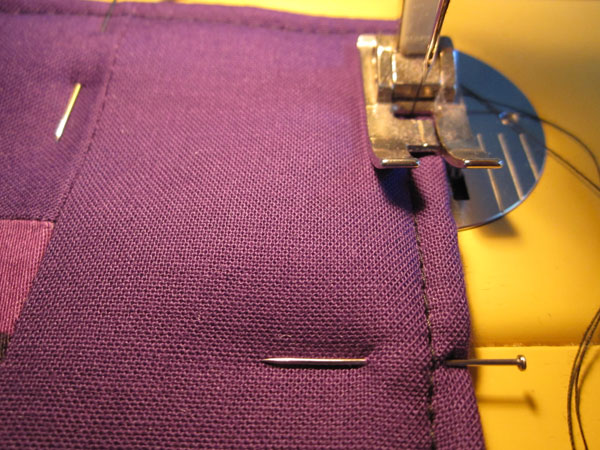
Begin by pinning the two background pieces of fabric together (right sides facing). Then place on top of the fleece fabric (I used an old blanket to cut the fleece from). Sew down one long side, across the bottom and back up the other side, leaving the top free. Iron the pieces together and then trim the fleece back close to your stitches, also trim the corners to aid turning.

Step 2

Turn the fabric the right way out and iron flat again, tuck in approximately 1cm of fabric at the open edge and iron ready for sewing. I chose to hang the calendar using pretty ribbon. Fold the 4 pieces of ribbon in half and tuck into the top open edge of your calendar. Sew across the open edge of the calendar, making sure to catch the ribbon as you go. For a little extra decoration I laid a piece of matching ric rac across my stitches at the top and sewed into place (ribbon would also work). You’ve now completed the background piece.

Step 3

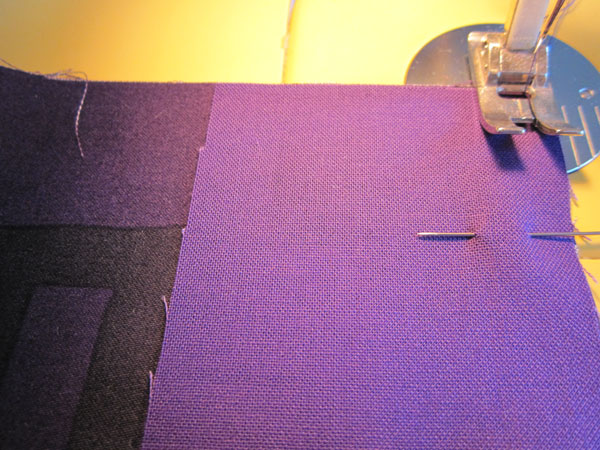
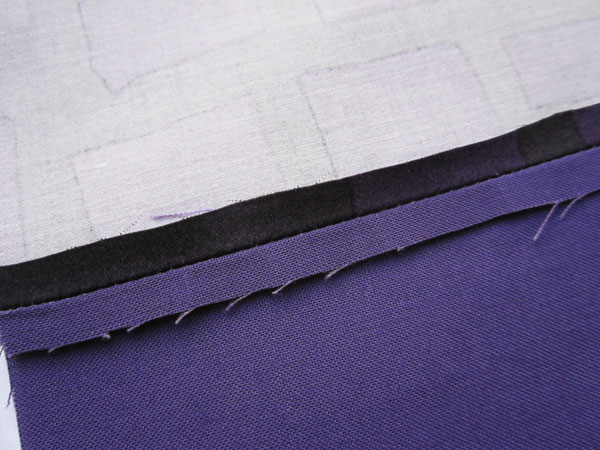
Time to make the pockets! On each piece of fabric turn over 1cm of fabric along one of the longer sides. Iron and then turn another cm over and iron again, this is the top edge of each set of pockets. Now turn each remaining edge over 1cm and iron. Machine stitch just the top edges of the pockets, leaving the other edges free.

Step 4

Position each set of pockets evenly across the background fabric and pin. Machine stitch across the bottom of each pocket and then around the entire edge of the calendar. You will now have 5 large pockets. In my example the first 4 rows have 5 pockets and the final row has 4 larger pockets. To create this you need to machine across each large pocket several times to make smaller pockets. On the first four rows I did this at approximately 6 ½cm intervals. On the final row I sewed at approximately 8cm intervals.

Step 5

To make the calendar numbers I bought some small luggage labels from a Stationary shop. I cut them down just slightly to make them smaller. Using a red and green crayon I then stencilled a number onto each label. These are then pinned to each pocket on the calendar using mini gold safety pins (again picked up from a Stationary shop).

Step 6

Decide who the calendar is for and fill each pocket with an appropriate sweet or gift. It could even serve two or three lucky recipients, just pop a couple of extra sweets in each pocket. Now you have an attractive and reusable advent calendar that should serve you for many years to come.

Julie Arkell Workshop

Last weekend Anne was lucky enough to attend a workshop run by Julie Arkell, one of the UK’s most celebrated folk artists. Here is a little insight to her day.

The workshop was held at Hope and Elvis, a studio owned by Louise Presley. Louise organises a wide variety of workshops taught by herself and various guest tutors.

This wonderful apron notice lead the way into the workshop.

I love the inventive way that Louise advertises her other workshops!

When Julie arrived she set up a small display of items that she had made. Some were available for purchase on the day or could be used as inspiration. I love the use of vintage clothing as a means of presentation.

Duly inspired everyone got down to the act of being creative. I’m told that everyone was so engrossed in their work that many forgot to stop for lunch!

Some closeups of Julie’s wonderful brooches.

A few of her gorgeous fabric bracelets.

Finally here are Anne’s wonderful creations, she managed to complete three brooches during the day. The first is a take on a wartime brooch.

Then two wonderfully quirky flying creatures, a lamb and a mouse!